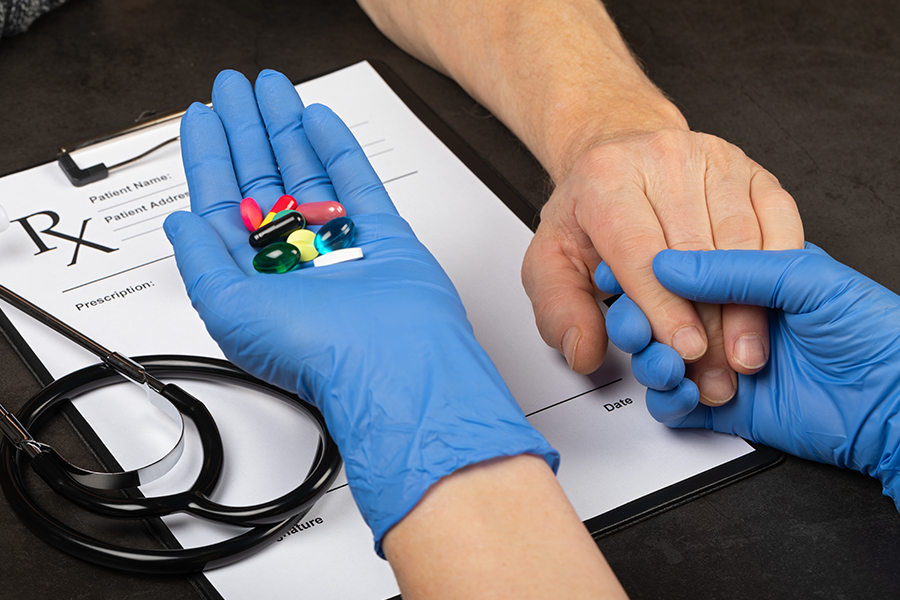
What Clinical Addiction Treatment Really Means: A Clear Guide to Modern Recovery Care

Clinical addiction treatment is often mentioned, but not always clearly understood. For many individuals and families facing substance use challenges, the term can feel technical or distant. In reality, it represents a structured, compassionate, and evidence-based approach to recovery that focuses on healing the whole person. At CRA for Health, clinical addiction treatment combines science, mental health care, and individualized support to help people rebuild their lives with stability and purpose. Understanding what this type of care truly means can make the path to recovery feel more accessible and less overwhelming.

Understanding Clinical Addiction Treatment

Addiction as a Medical Condition

Addiction is not simply a behavioral issue or lack of control. It is a chronic medical condition that affects brain chemistry, emotional regulation, and decision-making. Substances can change how the brain processes reward and stress, making it difficult to stop using without structured support.

Clinical treatment is built on this medical understanding. It focuses on restoring balance, reducing cravings, and helping individuals regain control of their lives through proven therapeutic methods.

Why Professional Care Is Essential

Attempting to overcome addiction alone can be extremely challenging. Withdrawal symptoms, emotional distress, and underlying mental health conditions often make recovery more complex. Clinical care provides medical supervision, emotional support, and structured guidance to ensure safety and stability throughout the process.

The Core Components of Clinical Addiction Treatment

Comprehensive Assessment and Evaluation

Every recovery journey begins with a detailed clinical assessment. This process includes evaluating substance use history, mental health conditions, physical health, and personal circumstances. The goal is to understand the full picture of the individual, not just the addiction itself.

At CRA for Health, this step ensures that treatment is tailored to each person’s specific needs from the very beginning.

Individualized Treatment Planning

No two recovery journeys are the same. After assessment, clinicians create a personalized treatment plan that outlines the most effective combination of therapies and support services.

These plans may include individual counseling, group therapy, medication-assisted treatment, and holistic wellness practices. As progress is made, treatment plans are adjusted to reflect new goals and challenges.

Evidence-Based Therapies That Support Recovery

Cognitive and Behavioral Therapies

Cognitive behavioral therapy is one of the most widely used approaches in clinical addiction treatment. It helps individuals recognize negative thought patterns and replace them with healthier coping strategies. This approach is highly effective in preventing relapse and building emotional resilience.

Motivational interviewing is another key method that encourages individuals to explore their own reasons for change and strengthen internal motivation.

Group Therapy and Peer Support

Group therapy provides a structured environment where individuals can share experiences and learn from others facing similar challenges. This sense of connection reduces isolation and builds accountability, both of which are essential for recovery.

Integrated Mental Health Care

Treating Co-Occurring Disorders

Many individuals with substance use disorders also experience mental health conditions such as anxiety, depression, or trauma. These issues often reinforce one another, making recovery more difficult without integrated care.

Clinical treatment addresses both addiction and mental health simultaneously. This integrated approach improves outcomes and supports long-term stability.

Medication-Assisted Treatment When Appropriate

For some individuals, medication-assisted treatment can be an important part of recovery. These medications help reduce cravings and stabilize brain chemistry, allowing individuals to focus more effectively on therapy and personal growth.

Holistic and Faith-Based Support

Healing the Whole Person

Recovery is not only about stopping substance use. It is about rebuilding physical, emotional, and spiritual well-being. Holistic care includes mindfulness practices, stress management, exercise, and nutrition support. These tools help individuals develop healthier daily habits and improve overall quality of life.

The Role of Faith and Meaning

For individuals who value spirituality, faith-based support can provide additional strength and purpose during recovery. It encourages reflection, hope, and resilience, especially during challenging moments.

Levels of Care in Clinical Treatment

Inpatient Programs

Inpatient treatment provides 24-hour structured care in a safe environment. This level of care is often recommended for individuals who need intensive support or medical supervision during early recovery.

Outpatient Programs

Outpatient treatment offers flexibility while still providing access to clinical care. Individuals can continue working, attending school, or caring for family while participating in scheduled therapy sessions and recovery support.

Building a Life Beyond Addiction

Recovery does not end when treatment concludes. Aftercare plays a vital role in maintaining long-term success. Continued therapy, support groups, and ongoing clinical guidance help individuals stay grounded and supported as they transition back into daily life.

A Clear Path Toward Healing

Clinical addiction treatment is not just a medical process. It is a comprehensive approach to healing that combines science, structure, and compassion. At CRA for Health, every program is designed to support the whole person through individualized care, mental health treatment, and holistic support.

If you or someone you love is struggling with addiction, reaching out for help is the most important step. Contact CRA for Health today to learn how compassionate clinical care can guide you toward lasting recovery, renewed strength, and a healthier future.


The Clinical Side of Recovery: Evidence-Based Approaches That Help Break Addiction Cycles

Addiction recovery is not a matter of willpower alone. It is a clinically guided process grounded in science, structure, and compassionate care. When addiction takes hold, it affects the brain, emotions, behavior, and daily functioning. Breaking free requires more than intention. It requires evidence-based treatment that addresses the root causes of substance use while building practical tools for long-term stability. At CRA for Health, clinical addiction treatment combines proven therapeutic methods, mental health support, and individualized care to help individuals break addiction cycles and rebuild their lives.

Understanding Addiction as a Clinical Condition

How Addiction Changes Brain Function

Addiction is a chronic medical condition that alters how the brain processes reward, motivation, and decision-making. Substances can overstimulate these systems, creating strong cravings and compulsive behaviors that are difficult to control without professional support.

Clinical treatment is designed to help restore balance in these brain systems while supporting emotional and behavioral healing.

The Link Between Mental Health and Addiction

Many individuals struggling with addiction also experience mental health challenges such as depression, anxiety, or trauma-related conditions. These co-occurring disorders often fuel substance use and make recovery more complex.

Effective treatment must address both addiction and mental health together. Integrated care improves outcomes and reduces the risk of relapse by treating the whole person, not just the symptoms.

Evidence-Based Approaches That Support Recovery

Comprehensive Clinical Assessment

Every recovery journey begins with a detailed clinical evaluation. This assessment looks at substance use history, mental health status, physical health, and environmental factors. It helps clinicians understand the full scope of the individual’s needs.

At CRA for Health, this process ensures that treatment is both accurate and personalized from the very beginning.

Individualized Treatment Planning

No two recovery journeys are the same. Evidence-based treatment relies on individualized care plans that reflect each person’s challenges, strengths, and goals. These plans may include therapy, medical support, group counseling, and holistic wellness strategies.

As recovery progresses, treatment plans are adjusted to ensure continued progress and support.

Cognitive Behavioral Therapy

Cognitive behavioral therapy is one of the most effective tools in addiction treatment. It helps individuals identify negative thought patterns and replace them with healthier behaviors. By learning to recognize triggers, individuals gain greater control over their responses and decisions.

This therapy is especially effective for preventing relapse and building long-term coping skills.

Motivational Interviewing

Motivational interviewing helps individuals strengthen their internal motivation for change. Instead of focusing on pressure or judgment, this approach encourages self-reflection and personal responsibility. It supports individuals in finding their own reasons for recovery, which increases long-term commitment.

Group Therapy and Peer Support

Group therapy provides a structured space where individuals can share experiences, learn from others, and build accountability. Peer support reduces isolation and helps individuals feel understood, which is a powerful factor in sustained recovery.

Medication-Assisted Treatment in Clinical Care

Stabilizing Early Recovery

For some individuals, medication-assisted treatment can play an important role in recovery. These medications help reduce cravings and manage withdrawal symptoms, making it easier to focus on therapy and behavioral change.

When combined with counseling and clinical support, this approach significantly improves recovery outcomes.

Holistic and Faith-Based Support in Recovery

Treating the Whole Person

Evidence-based treatment is often strengthened by holistic care. This includes mindfulness practices, physical wellness programs, nutrition support, and stress management techniques. These tools help individuals rebuild balance in their daily lives and improve overall well-being.

Finding Meaning and Purpose

Faith-based support can also be a powerful part of recovery for individuals who value spirituality. It provides hope, encouragement, and a sense of purpose during difficult stages of healing.

Levels of Clinical Care

Inpatient Treatment

Inpatient programs provide 24-hour structured care in a safe environment. This level of treatment is often recommended for individuals who require intensive support or medical stabilization.

Outpatient Treatment

Outpatient care offers flexibility while still providing consistent clinical support. Individuals can continue working, studying, or caring for family while participating in therapy and recovery programs.

Breaking the Cycle of Addiction

Evidence-based treatment works because it addresses addiction from every angle: biological, psychological, and behavioral. By combining science-backed therapies with compassionate care, individuals can break free from destructive cycles and build healthier, more stable lives.

At CRA for Health, every treatment plan is designed to support lasting recovery through personalized care, mental health treatment, and holistic healing approaches.

Take the First Step Toward Recovery

Breaking addiction cycles is possible with the right support system in place. If you or someone you love is struggling, professional help can make all the difference. Reach out to CRA for Health today to learn how evidence-based clinical care can guide you toward lasting recovery, renewed strength, and a healthier future.

From Diagnosis to Recovery: How Clinical Care Shapes the Addiction Treatment Journey

Addiction recovery is not a single moment or decision. It is a structured clinical journey that begins with understanding the problem and continues through long-term healing and support. When viewed through a clinical lens, addiction treatment becomes a guided process built on assessment, diagnosis, individualized planning, therapy, and ongoing care. At CRA for Health, every step of this journey is shaped by compassion, evidence-based practice, and a commitment to treating the whole person, not just the symptoms of addiction. Understanding how clinical care shapes recovery helps individuals and families approach treatment with clarity and confidence.

Understanding Addiction as a Clinical Condition

A Medical and Psychological Diagnosis

Addiction is recognized as a chronic medical condition that affects brain function, behavior, and emotional regulation. It is not simply a matter of poor choices. Substances can alter the brain’s reward system, making it difficult to stop without structured clinical support.

A clinical diagnosis helps professionals understand the severity of substance use and any related mental health conditions. This ensures that treatment is based on evidence rather than assumption.

The Role of Co-Occurring Mental Health Disorders

Many individuals struggling with addiction also experience mental health conditions such as anxiety, depression, or trauma-related disorders. These conditions often interact with substance use, making recovery more complex.

Addressing both addiction and mental health together is essential for long-term healing. Integrated care reduces relapse risk and supports emotional stability throughout the recovery process.

Step 1: Clinical Assessment and Evaluation

Building a Complete Clinical Picture

The recovery journey begins with a detailed assessment. Clinicians evaluate substance use history, mental and physical health, emotional well-being, and environmental factors. This step provides a complete understanding of the individual’s needs.

At CRA for Health, this evaluation is used to identify both immediate concerns and long-term recovery goals.

Determining the Right Level of Care

The assessment also helps determine whether inpatient or outpatient care is most appropriate. This ensures that each individual receives the right level of support based on their condition and personal circumstances.

Step 2: Individualized Treatment Planning

Personalized Recovery Roadmaps

No two recovery journeys are the same. After diagnosis, clinicians create a personalized treatment plan tailored to the individual’s needs. This plan may include therapy, medication support, group counseling, and holistic services.

These plans are flexible and evolve as progress is made, ensuring that care remains effective at every stage of recovery.

Setting Realistic and Meaningful Goals

Treatment planning is not just clinical. It is also deeply personal. Goals may include rebuilding relationships, improving mental health, developing coping skills, and achieving long-term sobriety.

Step 3: Evidence-Based Treatment and Therapy

Therapeutic Approaches That Drive Recovery

Clinical care relies on proven therapeutic methods. Cognitive behavioral therapy helps individuals identify negative thought patterns and replace them with healthier behaviors. Motivational interviewing encourages commitment to change, while group therapy provides connection and accountability.

These therapies help individuals develop practical skills for managing triggers and maintaining sobriety.

Medication-Assisted Treatment When Needed

For some individuals, medication-assisted treatment plays an important role in stabilizing brain chemistry and reducing cravings. When combined with therapy and counseling, this approach supports stronger recovery outcomes.

Step 4: Holistic and Faith-Based Healing

Treating the Whole Person

Recovery is not limited to clinical interventions. Holistic care supports physical, emotional, and mental well-being through mindfulness, exercise, nutrition, and stress management techniques. These tools help individuals build healthier daily routines.

Faith and Purpose in Recovery

For those who value spirituality, faith-based support provides additional strength and meaning. It helps individuals stay grounded and motivated during challenging moments in recovery.

Step 5: Inpatient and Outpatient Care Options

Structured Inpatient Treatment

Inpatient programs offer 24-hour care in a safe and structured environment. This level of treatment is often recommended for individuals who require intensive support or medical stabilization.

Flexible Outpatient Programs

Outpatient care allows individuals to continue working, studying, or caring for family while receiving ongoing clinical support. This flexibility makes it easier to integrate recovery into everyday life.

Step 6: Aftercare and Long-Term Recovery Support

Continuing Care Beyond Treatment

Recovery does not end when a program is completed. Aftercare includes ongoing therapy, support groups, and continued clinical follow-up. These resources help individuals maintain progress and prevent relapse.

A Structured Path Toward Healing

From diagnosis to recovery, clinical care provides a clear and supportive roadmap for healing. At CRA for Health, this journey is guided by compassion, science, and individualized treatment that addresses addiction, mental health, and overall well-being.

If you or someone you love is struggling with addiction, you do not have to navigate it alone. Reach out to CRA for Health today to begin a clinically guided path toward lasting recovery, renewed stability, and hope for the future.

Understanding Addiction Through a Clinical Lens: How Treatment Programs Support Real Healing

Addiction is often misunderstood as a lack of willpower or discipline, but clinical science tells a very different story. Substance use disorder is a complex medical condition that affects the brain, behavior, and emotional regulation. When viewed through a clinical lens, addiction becomes something that can be treated with structure, compassion, and evidence-based care. At CRA for Health, treatment programs are designed to support real healing by addressing the full scope of addiction and mental health needs through personalized, integrated care. Understanding this clinical perspective helps individuals and families move from confusion and stigma toward clarity and hope.

Addiction as a Medical and Behavioral Condition

How Addiction Changes the Brain

Addiction is not simply a habit. It is a chronic condition that alters brain chemistry, particularly in areas responsible for reward, motivation, and decision-making. Over time, substances can override natural reward systems, making it difficult to stop using even when someone wants to change.

Clinical treatment is built on this scientific understanding. By addressing how addiction affects brain function, professionals can create targeted interventions that reduce cravings and help restore balance.

The Role of Emotional and Psychological Factors

Addiction rarely exists in isolation. Many individuals also struggle with anxiety, depression, trauma, or chronic stress. These conditions often contribute to substance use and can make recovery more complex.

A clinical approach recognizes that healing must address both addiction and mental health together. Treating only one part of the problem often leads to incomplete recovery.

The Clinical Treatment Process

Comprehensive Assessment and Evaluation

Every recovery journey begins with a detailed clinical assessment. This process examines substance use history, mental and physical health, emotional well-being, and social environment. It provides a complete understanding of the individual rather than focusing only on symptoms.

At CRA for Health, this evaluation helps clinicians determine the most appropriate level of care and build a treatment plan tailored to each person’s needs.

Individualized Treatment Planning

No two recovery journeys are the same. Individualized treatment plans ensure that care is specific, flexible, and responsive. These plans may include therapy, medical support, behavioral interventions, and holistic services.

As recovery progresses, treatment plans are adjusted to reflect new goals and challenges. This adaptability is essential for long-term success.

Evidence-Based Therapies in Recovery

Behavioral Therapies That Build Change

Evidence-based therapies are at the core of clinical addiction treatment. Cognitive behavioral therapy helps individuals identify harmful thought patterns and replace them with healthier coping strategies. Motivational interviewing strengthens internal motivation for change, while group therapy provides support, accountability, and shared experience.

These therapies help individuals build practical life skills that support long-term recovery beyond treatment.

Integrated Mental Health Care

Treating mental health alongside addiction is essential. Conditions such as depression, anxiety, or trauma can significantly increase the risk of relapse if left unaddressed. Integrated care ensures that both addiction and mental health needs are treated at the same time, creating a more stable foundation for healing.

Holistic and Faith-Based Support in Clinical Care

Healing the Whole Person

Recovery is not only about stopping substance use. It is about restoring balance in every area of life. Holistic care supports this by focusing on physical wellness, stress management, mindfulness, and healthy routines. These practices help individuals strengthen emotional resilience and improve overall well-being.

The Importance of Meaning and Purpose

For many individuals, faith-based support plays an important role in recovery. It offers hope, structure, and a sense of purpose during difficult moments. When combined with clinical care, it enhances motivation and supports long-term emotional healing.

Levels of Care in Clinical Treatment Programs

Inpatient Treatment

Inpatient programs provide structured, 24-hour care in a safe environment. This level of treatment is often recommended for individuals who need intensive support, medical supervision, or stabilization.

Outpatient Treatment

Outpatient programs allow individuals to continue daily responsibilities while receiving structured clinical support. This flexibility helps people stay connected to work, family, and community while actively engaging in recovery.

Building Real and Lasting Healing

Clinical addiction treatment is not just about managing symptoms. It is about creating lasting change through science, structure, and compassionate care. At CRA for Health, treatment programs are designed to support the whole person, combining evidence-based therapy, mental health care, holistic healing, and individualized planning.

Take the First Step Toward Recovery

Understanding addiction through a clinical lens helps remove stigma and replace it with knowledge and hope. Recovery is possible with the right support system in place. If you or someone you love is struggling with addiction, reaching out for professional help is the first step toward healing. Contact CRA for Health today to learn how compassionate, clinically guided treatment can help you build a healthier and more stable future.

What Clinical Addiction Treatment Really Looks Like: A Guide to Modern Recovery Care

When people think about addiction treatment, they often picture a single approach or a fixed program. In reality, clinical addiction treatment is a highly structured, personalized, and evidence-based process designed to support the whole person. It is not just about stopping substance use. It is about rebuilding health, stability, and purpose. At CRA for Health, modern recovery care combines clinical expertise, mental health treatment, holistic healing, and faith-based support to create individualized paths toward lasting recovery. Understanding what this process really looks like can help remove fear and replace it with clarity and hope.

Understanding Clinical Addiction Treatment

A Medical and Behavioral Health Approach

Clinical addiction treatment is based on the understanding that addiction is a medical condition that affects the brain, behavior, and emotional health. Substances can alter brain chemistry in ways that make quitting difficult without structured support.

Because of this, treatment focuses on both the physical and psychological aspects of addiction. Clients receive medical oversight, therapy, and behavioral interventions that work together to restore balance and stability.

Why Professional Care Matters

Attempting to recover without support can feel overwhelming. Clinical care provides structure, safety, and guidance. It helps individuals navigate withdrawal symptoms, emotional challenges, and triggers while building skills that support long-term recovery.

Step 1: Comprehensive Evaluation and Intake

Getting a Full Picture of the Individual

Every recovery journey begins with a detailed clinical assessment. This includes substance use history, mental health evaluation, physical health screening, and an understanding of personal and environmental factors.

Many individuals entering treatment are also facing conditions such as anxiety, depression, or trauma. Identifying these concerns early ensures that care is tailored and effective.

Building a Foundation for Treatment

The evaluation process is not just diagnostic. It is the foundation for a personalized recovery plan. It helps clinicians determine the most appropriate level of care and the most effective treatment strategies.

Step 2: Personalized Treatment Planning

No Two Recovery Plans Are the Same

After assessment, clinicians create an individualized treatment plan. This plan outlines therapy approaches, medical support, and recovery goals specific to the client.

At CRA for Health, treatment may include individual counseling, group therapy, medication support, and holistic wellness services. The plan evolves over time as progress is made and needs change.

Flexibility for Real Life Recovery

Recovery is not linear. Personalized plans allow for flexibility, ensuring that care adapts as individuals grow stronger and face new challenges. This adaptability is key to long-term success.

Step 3: Evidence-Based Therapy and Support

Building Skills for Long-Term Change

Therapy is a core part of clinical addiction treatment. Cognitive behavioral therapy helps individuals understand how thoughts influence behavior and substance use. Motivational interviewing supports personal commitment to change. Group therapy provides connection, accountability, and shared healing.

These approaches are backed by research and proven to support lasting recovery.

Treating Mental Health Alongside Addiction

Mental health care is essential in modern recovery programs. Treating conditions like depression, anxiety, or trauma alongside addiction helps reduce relapse risk and improves emotional stability. Integrated care ensures that both issues are addressed at the same time.

Step 4: Holistic and Faith-Based Healing

Supporting the Whole Person

Recovery is more than clinical treatment. Holistic care supports overall wellness through mindfulness, stress management, physical activity, and nutrition guidance. These tools help individuals build healthier routines and cope with daily stress.

Faith and Meaning in Recovery

For many people, faith-based support adds another layer of strength. It provides hope, purpose, and emotional grounding during difficult stages of recovery. When combined with clinical care, it enhances resilience and long-term motivation.

Step 5: Levels of Care in Modern Treatment

Inpatient Programs

Inpatient treatment provides 24-hour support in a structured environment. This level of care is often recommended for individuals who need intensive stabilization or medical supervision.

Outpatient Programs

Outpatient care allows individuals to receive treatment while continuing with work, school, or family responsibilities. It offers flexibility while maintaining access to therapy, medical support, and recovery resources.

Step 6: Aftercare and Ongoing Recovery Support

Recovery Does Not End at Discharge

Aftercare is a critical part of clinical addiction treatment. Ongoing therapy, peer support groups, and continued clinical follow-up help individuals maintain progress and prevent relapse.

This continued support ensures that recovery remains strong even after formal treatment ends.

A Clear Path Toward Lasting Recovery

Clinical addiction treatment is not a single experience. It is a structured, evolving process designed to support every stage of healing. At CRA for Health, modern recovery care blends science, compassion, and individualized support to help people rebuild their lives with confidence and stability.

If you or someone you love is struggling with addiction, help is available. Reaching out is the first step toward change. Contact CRA for Health today to learn how compassionate, evidence-based treatment can guide you toward lasting recovery and a healthier future.

Inside Clinical Addiction Treatment: How Science and Care Work Together for Recovery

Addiction recovery is not guesswork. It is a structured, science-driven process supported by clinical expertise, behavioral research, and compassionate care. When these elements work together, they create a powerful foundation for lasting change. At CRA for Health, clinical addiction treatment is designed to combine evidence-based science with individualized, human-centered care that addresses the full complexity of addiction and mental health. Understanding how this approach works helps individuals and families feel more confident about taking the first step toward recovery.

The Science Behind Addiction and Recovery

Addiction as a Brain-Based Condition

Addiction is not simply a matter of willpower. It is a medical condition that affects brain chemistry, particularly the areas responsible for reward, motivation, and decision-making. Substances can hijack these systems, making it difficult to stop using even when a person wants to change.

Clinical treatment is built on this scientific understanding. By addressing how addiction impacts the brain, professionals can create targeted interventions that reduce cravings, restore balance, and support long-term healing.

Why Mental Health Matters in Recovery

Mental health plays a central role in addiction. Conditions such as anxiety, depression, and trauma often coexist with substance use disorders. In many cases, these challenges fuel each other, creating a cycle that is difficult to break without professional help.

This is why integrated care is essential. Treating both addiction and mental health together leads to stronger outcomes and reduces the risk of relapse.

How Clinical Addiction Treatment Works

Comprehensive Clinical Assessment

Every recovery journey begins with a detailed assessment. Clinicians evaluate substance use history, mental and physical health, emotional well-being, and personal circumstances. This step ensures that treatment is tailored to the individual rather than based on a general approach.

At CRA for Health, this process is designed to understand the full picture of a person’s life so that care is both accurate and effective.

Individualized Treatment Planning

Once the assessment is complete, clinicians develop a personalized treatment plan. This plan outlines the therapies, medical support, and recovery strategies that will best meet the individual’s needs.

Treatment plans may include therapy, medication support, group counseling, and holistic wellness services. As recovery progresses, plans are adjusted to reflect new goals and challenges, ensuring continuous support.

Evidence-Based Therapies That Drive Recovery

Behavioral and Cognitive Therapies

Evidence-based therapies are the foundation of clinical addiction treatment. Cognitive behavioral therapy helps individuals identify thought patterns that contribute to substance use and replace them with healthier coping strategies.

Motivational interviewing strengthens commitment to change by helping individuals explore their own reasons for recovery. Group therapy provides a supportive environment where shared experiences foster accountability and connection.

Medication-Assisted Treatment

For some individuals, medication-assisted treatment can be an important part of recovery. These medications help reduce cravings and manage withdrawal symptoms, making it easier to focus on therapy and long-term healing.

When combined with counseling and behavioral support, this approach significantly improves recovery outcomes.

The Role of Holistic and Faith-Based Care

Healing the Whole Person

Recovery is not only clinical. It is also emotional, physical, and spiritual. Holistic care supports overall well-being through mindfulness practices, stress management techniques, nutrition guidance, and physical wellness programs.

These approaches help individuals rebuild balance in their daily lives and develop healthier coping strategies outside of treatment.

Faith-Based Support and Meaning

For those who value spirituality, faith-based care can provide additional strength and purpose. It offers a sense of connection, hope, and meaning that can be deeply supportive during recovery.

Levels of Care in Clinical Treatment

Inpatient Programs

Inpatient care provides structured, 24-hour support in a safe and controlled environment. This level of care is ideal for individuals who need intensive stabilization or are facing severe addiction challenges.

Outpatient Programs

Outpatient care offers flexibility while still providing access to therapy, medical support, and recovery services. It allows individuals to continue working, studying, or caring for family while receiving treatment.

Building a Life Beyond Addiction

Aftercare and Continued Support

Recovery does not end when treatment does. Aftercare planning is essential for maintaining long-term success. Ongoing therapy, peer support groups, and continued clinical check-ins help individuals stay grounded and supported as they transition back into daily life.

A Science-Based Path to Lasting Recovery

Clinical addiction treatment is where science and compassion meet. By combining evidence-based therapies with individualized care, mental health support, and holistic healing, recovery becomes not only possible but sustainable. At CRA for Health, every program is designed to meet people where they are and guide them toward lasting change.

If you or someone you love is struggling with addiction, you do not have to face it alone. Reaching out for professional help is the first step toward healing. Contact CRA for Health today to learn how clinical addiction treatment can support your journey toward stability, health, and renewed hope.

Personalized Paths to Recovery: Exploring Clinical Addiction Treatment Programs

Recovery from addiction is not a single straight path. It is a deeply personal journey shaped by each individual’s history, mental health needs, environment, and goals for the future. Because of this, effective treatment must be flexible, compassionate, and tailored to the person receiving care. At CRA for Health, clinical addiction treatment programs are built around personalized care that integrates evidence-based therapy, mental health support, holistic healing, and faith-based guidance. Understanding these individualized paths to recovery can help individuals and families feel more confident when taking the first step toward healing.

Why Personalized Addiction Treatment Matters

No Two Recovery Journeys Are the Same

Addiction affects people differently. Some may struggle primarily with physical dependence, while others face deep emotional pain, trauma, or co-occurring mental health disorders. Factors such as family dynamics, stress levels, and personal history all influence how addiction develops and how recovery should be approached.

Because of this complexity, a one-size-fits-all treatment model is rarely effective. Personalized care ensures that each individual receives support that reflects their unique situation, strengths, and challenges.

Addressing the Whole Person

Effective recovery goes beyond stopping substance use. It involves healing the mind, body, and emotional well-being. At CRA for Health, treatment focuses on the whole person, not just the addiction. This includes mental health care, behavioral therapy, physical wellness, and spiritual support when appropriate.

The Foundation of Clinical Addiction Treatment

Comprehensive Assessment and Evaluation

Every personalized treatment plan begins with a thorough clinical assessment. This process examines substance use history, mental and physical health, emotional well-being, and personal goals. Many individuals entering treatment also face challenges such as anxiety, depression, or unresolved trauma.

This evaluation allows clinicians to understand the full picture and design a treatment plan that is both effective and realistic for the individual.

Creating Individualized Treatment Plans

Once the assessment is complete, clinicians develop a customized treatment plan. This plan may include a combination of individual therapy, group counseling, medication-assisted treatment, and holistic wellness strategies.

At CRA for Health, these plans are not static. They are continuously reviewed and adjusted to reflect progress, challenges, and changing needs throughout the recovery journey.

Levels of Care in Clinical Addiction Treatment

Inpatient Treatment Programs

Inpatient care provides a structured and supportive environment where individuals can focus entirely on recovery. With 24-hour clinical supervision, clients receive intensive therapy, medical care, and emotional support in a safe setting away from external triggers.

This level of care is often recommended for individuals with severe substance use disorders or co-occurring mental health conditions.

Outpatient Treatment Programs

Outpatient care offers flexibility for individuals who need ongoing support while maintaining work, school, or family responsibilities. Clients attend scheduled therapy sessions, receive medical guidance when needed, and participate in structured recovery programs while continuing to live at home.

Both inpatient and outpatient programs provide access to professional care tailored to each person’s recovery needs.

Evidence-Based and Holistic Support

Therapy That Builds Long-Term Skills

Clinical addiction treatment relies on proven therapeutic methods. Cognitive behavioral therapy helps individuals identify triggers and change harmful thought patterns. Motivational interviewing strengthens personal commitment to recovery, while group therapy encourages connection and shared healing.

These therapies help individuals build practical skills that support long-term sobriety and emotional stability.

Integrating Holistic and Faith-Based Care

Recovery is strengthened when treatment includes holistic and faith-based support. Holistic services such as mindfulness, stress management, and physical wellness programs help restore balance and improve overall well-being.

For individuals who value spirituality, faith-based care provides additional meaning, encouragement, and hope throughout the recovery process.

Building a Life Beyond Addiction

Aftercare and Continued Support

Recovery does not end when formal treatment is complete. Aftercare is a vital part of long-term success. Ongoing therapy, peer support groups, and continued mental health care help individuals maintain progress and navigate life’s challenges.

This continued support helps reduce relapse risk and strengthens confidence in long-term recovery.

A Path Designed for You

Personalized addiction treatment offers more than recovery. It offers transformation. By addressing the physical, emotional, and psychological aspects of addiction, individuals can rebuild their lives with clarity and purpose. At CRA for Health, every program is designed with compassion, clinical expertise, and a commitment to individualized care.

If you or someone you love is struggling with addiction, you do not have to face it alone. Reaching out for professional support is the first step toward healing. Contact CRA for Health today to learn how personalized clinical addiction treatment can help you begin a new chapter of lasting recovery and renewed hope.

Breaking the Cycle: How Clinical Care Supports Mental Health and Addiction Recovery

Breaking free from addiction is rarely just about stopping substance use. For many individuals, it also means addressing deep-rooted mental health challenges such as anxiety, depression, trauma, or chronic stress. These conditions often fuel one another, creating a cycle that can feel impossible to escape. Clinical care offers a structured, compassionate, and evidence-based path to break that cycle. At CRA for Health, treatment is designed to support both addiction recovery and mental health healing through individualized care, clinical expertise, holistic practices, and faith-based support.

Understanding the Connection Between Mental Health and Addiction

Why These Conditions Often Coexist

Addiction and mental health disorders frequently occur together. Someone may use substances to cope with emotional pain, while substance use itself can worsen mental health symptoms over time. This cycle can lead to increased dependence, isolation, and difficulty functioning in daily life.

Understanding this connection is essential because treating only one part of the problem often leads to incomplete recovery. True healing requires addressing both mental health and addiction at the same time.

The Importance of Integrated Clinical Care

Integrated care brings mental health treatment and addiction recovery together in a coordinated approach. This allows clinicians to treat the whole person instead of isolated symptoms. At CRA for Health, integrated care ensures that emotional, psychological, and behavioral needs are all addressed within one comprehensive treatment plan.

How Clinical Care Helps Break the Cycle

Comprehensive Clinical Assessment

Recovery begins with a detailed evaluation that helps clinicians understand each individual’s unique situation. This includes substance use history, mental health symptoms, physical health, and personal background. Many individuals also have unresolved trauma or long-standing emotional struggles that need attention.

This assessment forms the foundation for a personalized treatment plan designed to meet the person where they are and guide them forward with clarity and structure.

Individualized Treatment Planning

No two recovery journeys are the same. Personalized treatment plans ensure that care is tailored to each individual’s needs, strengths, and goals. These plans may include individual therapy, group counseling, medication-assisted treatment, and holistic support services.

At CRA for Health, treatment plans are flexible. As clients grow and change, clinicians adjust care to ensure continued progress and stability.

Evidence-Based Therapy and Skill Building

Therapy is a core part of clinical care. Evidence-based approaches such as cognitive behavioral therapy help individuals recognize thought patterns that contribute to substance use. Motivational interviewing supports personal commitment to change, while group therapy builds connection and accountability.

These therapies teach practical life skills such as emotional regulation, stress management, and relapse prevention. Over time, clients learn how to navigate challenges without returning to substance use.

Treating Mental Health and Addiction Together

Addressing Underlying Emotional Pain

Mental health treatment is essential for long-term recovery. Conditions such as depression, anxiety, and trauma can significantly increase the risk of relapse if left untreated. By addressing these issues alongside addiction, clinical care helps stabilize emotional health and reduce triggers that lead to substance use.

Medication-Assisted Treatment When Needed

For some individuals, medication-assisted treatment can support recovery by reducing cravings and easing withdrawal symptoms. When combined with therapy and counseling, this approach provides a stronger foundation for long-term stability.

Holistic and Faith-Based Healing Support

Healing the Whole Person

Recovery is not only clinical. Holistic care supports overall wellness through mindfulness practices, physical health programs, stress management techniques, and nutrition education. These tools help individuals rebuild balance in their daily lives and strengthen emotional resilience.

Finding Meaning and Purpose

Faith-based support can also play an important role for individuals who draw strength from spirituality. It provides hope, encouragement, and a sense of purpose, which can be especially important during challenging stages of recovery.

Levels of Care for Different Needs

Inpatient Treatment

Inpatient programs provide 24-hour structured support in a safe environment. This level of care is often recommended for individuals who need intensive stabilization and focused recovery time.

Outpatient Treatment

Outpatient programs allow individuals to receive professional care while continuing to manage daily responsibilities such as work, school, or family life. This flexibility makes it easier to integrate recovery into everyday routines.

Building a Foundation for Lasting Recovery

Breaking the cycle of addiction and mental health struggles requires consistent support, structure, and compassion. Clinical care provides all three. By combining evidence-based treatment, individualized planning, and holistic healing, CRA for Health helps individuals rebuild their lives with strength and confidence.

Take the First Step Toward Healing

Recovery is possible, and no one has to face it alone. If you or someone you love is struggling with addiction and mental health challenges, reaching out for professional support can be the turning point. Contact CRA for Health today to learn how compassionate, integrated clinical care can help you break the cycle and move toward lasting recovery and renewed hope.

From Assessment to Healing: Insights into Evidence-Based Addiction Treatment

Taking the first step toward recovery can feel uncertain, especially when you are not sure what to expect from treatment. Evidence-based addiction treatment provides a clear, structured path forward, grounded in research, clinical expertise, and compassionate care. At CRA for Health, recovery is not treated as a one-size-fits-all process. Instead, it is a personalized journey that begins with a thorough assessment and continues through every stage of healing with clinical, holistic, and faith-centered support. Understanding how evidence-based treatment works can help individuals and families approach recovery with clarity and confidence.

What Is Evidence-Based Addiction Treatment?

A Proven Approach to Recovery

Evidence-based addiction treatment uses therapies and medical practices that have been scientifically studied and shown to be effective. These approaches focus on helping individuals understand the root causes of addiction, change harmful behaviors, and build the skills needed for long-term sobriety.

At CRA for Health, evidence-based care is integrated with mental health treatment, holistic services, and faith-based guidance. This balanced approach ensures that clients receive comprehensive support that addresses both the physical and emotional aspects of addiction.

Step 1: Comprehensive Clinical Assessment

Understanding the Whole Person

Every recovery journey begins with a detailed assessment. Clinicians evaluate substance use history, mental health conditions, physical health, lifestyle factors, and personal values. Many individuals entering treatment are also dealing with anxiety, depression, or trauma, which can influence both addiction and recovery.

This step is essential because it provides a complete picture of the individual. With this understanding, clinicians can recommend the most appropriate therapies and level of care.

Creating a Strong Foundation

The assessment phase sets the stage for everything that follows. It ensures that treatment is not only effective but also relevant to the individual’s needs, goals, and circumstances.

Step 2: Individualized Treatment Planning

Tailoring Care to Each Client

Once the assessment is complete, clinicians develop a personalized treatment plan. This plan outlines specific goals, therapeutic approaches, and support services. It may include individual therapy, group counseling, medication-assisted treatment, and holistic wellness practices.

At CRA for Health, treatment plans are flexible and evolve as clients progress. This adaptability allows clinicians to respond to challenges, celebrate progress, and keep recovery on track.

Step 3: Evidence-Based Therapies in Practice

Building Practical Skills for Recovery

Therapy is the cornerstone of evidence-based addiction treatment. Cognitive behavioral therapy helps individuals identify triggers and replace harmful thought patterns with healthier ones. Motivational interviewing strengthens commitment to change, while group therapy provides peer support and accountability.

These therapies are not just about understanding addiction. They are about building real-life skills that help individuals navigate stress, manage emotions, and maintain sobriety.

Addressing Mental Health Needs

Integrated mental health care is essential for long-term success. Treating co-occurring conditions alongside addiction reduces relapse risk and improves overall well-being. By addressing both issues at the same time, individuals gain a stronger foundation for lasting recovery.

Step 4: Holistic and Faith-Based Support

Restoring Balance and Purpose

Recovery is not only clinical. Holistic services such as mindfulness, stress management, physical wellness, and nutrition support help individuals restore balance and improve their quality of life. These practices provide tools for managing everyday challenges and maintaining emotional stability.

For those who value spirituality, faith-based support offers an additional layer of healing. It encourages reflection, builds hope, and helps individuals reconnect with a sense of purpose.

Step 5: Levels of Care and Ongoing Support

Inpatient and Outpatient Options

Evidence-based treatment is available in both inpatient and outpatient settings. Inpatient care provides a structured environment with round-the-clock support, while outpatient programs offer flexibility for individuals balancing recovery with daily responsibilities. Both options deliver high-quality clinical care tailored to the individual’s needs.

Aftercare and Long-Term Success

Recovery continues beyond the initial treatment program. Aftercare planning includes ongoing therapy, peer support groups, and continued access to mental health services. These resources help individuals maintain progress, prevent relapse, and build a stable, fulfilling life.

Moving Toward Lasting Healing

From assessment to healing, evidence-based addiction treatment provides a clear and effective path toward recovery. By combining clinical expertise, personalized care, holistic wellness, and faith-based guidance, CRA for Health supports individuals at every stage of their journey.

If you or a loved one is struggling with addiction, taking the first step can make all the difference. Reach out to CRA for Health today to learn how evidence-based, compassionate care can help you move from uncertainty to lasting healing and renewed hope.

Understanding Recovery: Key Clinical Approaches to Overcoming Addiction

Recovery from addiction is a deeply personal journey, but it is also grounded in proven clinical practices that support real, lasting change. Many people feel overwhelmed when considering treatment because they are unsure of what recovery truly involves. At CRA for Health, clinical addiction treatment is designed to guide individuals through every stage of healing with compassion, structure, and individualized care. By understanding the key clinical approaches used in recovery, individuals and families can make informed decisions and take confident steps toward a healthier future.

The Foundation of Clinical Addiction Recovery

Addiction as a Treatable Condition

Addiction is not simply a matter of choice. It is a complex condition that affects brain function, emotional regulation, and behavior. Substances alter the brain’s reward system, making it difficult to stop without support. Clinical addiction treatment focuses on restoring balance, helping individuals regain control while addressing the underlying causes of substance use.

The Role of Mental Health in Recovery

It is common for individuals with substance use disorders to also struggle with mental health conditions such as anxiety, depression, or trauma. These co-occurring challenges often fuel addiction and increase the risk of relapse. That is why integrated mental health treatment is essential. Addressing both addiction and mental health at the same time leads to stronger, more sustainable recovery outcomes.

Key Clinical Approaches to Addiction Treatment

Comprehensive Assessment and Diagnosis

Every effective recovery plan begins with a thorough clinical assessment. This process evaluates substance use history, mental and physical health, lifestyle factors, and personal goals. The purpose is to gain a complete understanding of the individual, not just the addiction.

This assessment allows clinicians to recommend the most appropriate level of care and develop a personalized treatment plan that reflects the individual’s unique needs.

Individualized Treatment Planning

No two people experience addiction in the same way. Individualized treatment plans ensure that care is tailored to each person’s circumstances, strengths, and challenges. At CRA for Health, these plans often include a combination of therapy, medical support, and holistic services.

Treatment plans are also flexible. As individuals progress, clinicians adjust strategies to maintain momentum and address new challenges. This personalized approach helps clients stay engaged and supported throughout their recovery journey.

Evidence-Based Therapy

Therapy is at the heart of clinical addiction treatment. Evidence-based approaches such as cognitive behavioral therapy help individuals identify negative thought patterns and develop healthier coping strategies. Motivational interviewing encourages commitment to change, while group therapy fosters connection and shared understanding.

These therapies do more than address substance use. They help individuals rebuild confidence, improve communication, and develop the skills needed to navigate life without relying on substances.

Medication-Assisted Treatment

For some individuals, medication-assisted treatment can play an important role in recovery. Medications help manage withdrawal symptoms, reduce cravings, and stabilize brain chemistry. When combined with therapy and counseling, this approach increases the likelihood of long-term success.

Holistic and Faith-Based Care

Supporting the Whole Person

Recovery is most effective when it addresses the whole person. Holistic services such as mindfulness, stress management, physical wellness, and nutrition support help individuals restore balance and improve overall well-being. These practices provide practical tools for managing daily stress and maintaining emotional stability.

The Role of Faith and Purpose

For many individuals, faith-based support adds another layer of strength to the recovery process. Spiritual guidance can provide hope, meaning, and a renewed sense of purpose. Integrating faith into clinical care allows individuals to connect with their values and build a foundation for lasting change.

Levels of Care: Finding the Right Fit

Inpatient Treatment

Inpatient programs provide a structured environment with 24-hour support. This level of care is ideal for individuals who need intensive supervision and a focused space to begin their recovery.

Outpatient Treatment

Outpatient programs offer flexibility while still providing access to clinical care, therapy, and support. This option allows individuals to continue working or caring for family while progressing in recovery.

Building a Life Beyond Addiction

Aftercare and Continued Support

Recovery does not end when treatment is complete. Aftercare planning is a vital part of the process. Ongoing therapy, peer support groups, and continued access to mental health services help individuals maintain progress and navigate life’s challenges.

Take the First Step Toward Recovery

Understanding the clinical approaches to addiction treatment can remove uncertainty and replace it with hope. Recovery is possible with the right support, guidance, and commitment. At CRA for Health, every program is designed to provide compassionate, individualized care that addresses addiction, mental health, and overall well-being.

If you or a loved one is struggling with addiction, reaching out for help is the most important step you can take. Contact CRA for Health today to learn how clinically supported, holistic, and faith-centered care can guide you toward lasting recovery and a healthier, more fulfilling life.